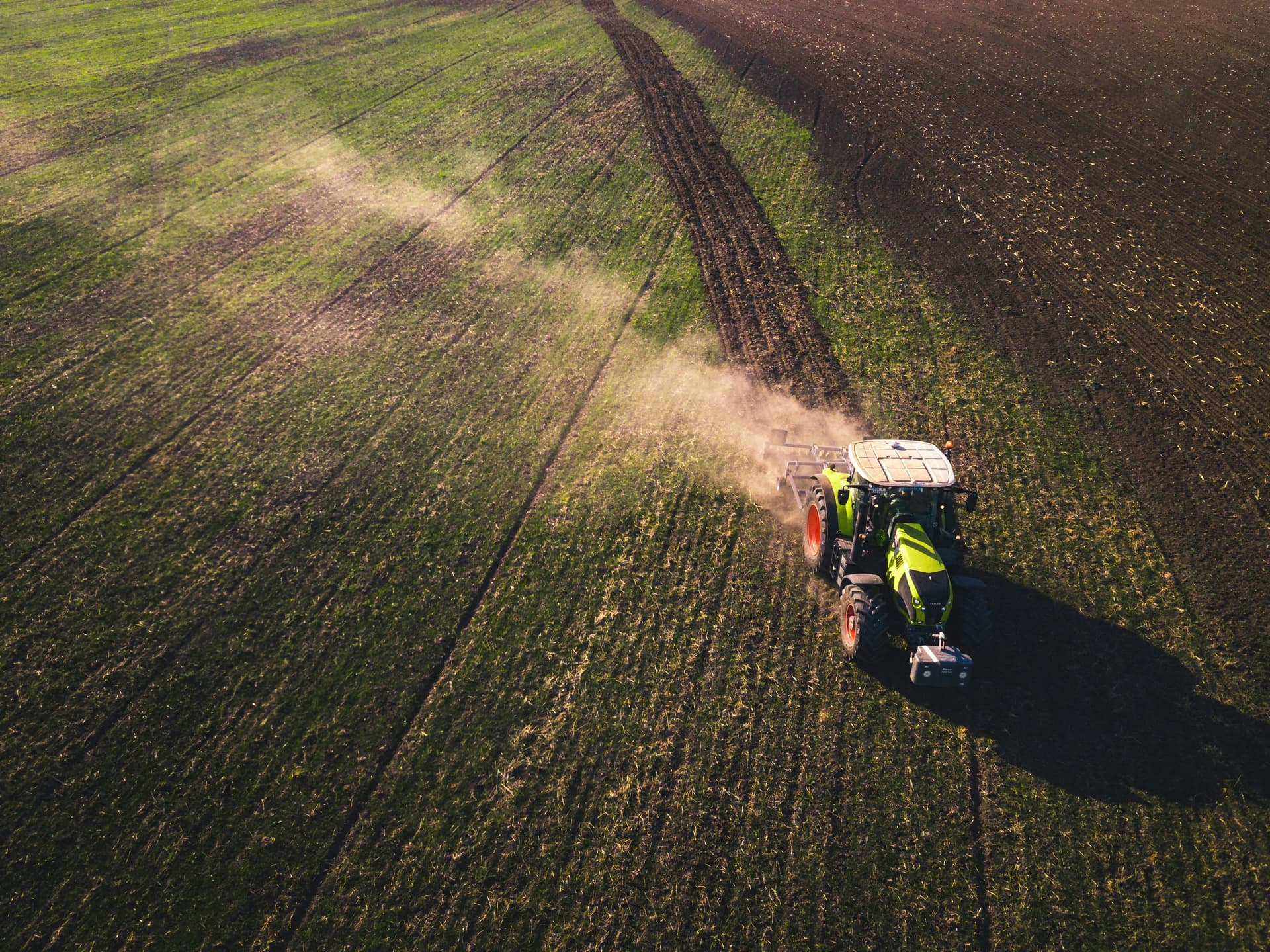
Image: Chris Ensminger / Unsplash
250,000 Tonne Urea Shipment Takes Pressure Off Australian Farmers
A government-backed deal with Indonesia will cover about a fifth of the fertiliser Australian farmers need for the current season, after war in Iran disrupted supplies through the Strait of Hormuz.
Image: Chris Ensminger / Unsplash
The Deal
The federal government has brokered a commercial agreement for 250,000 tonnes of agricultural grade urea to be shipped from Indonesia to Australia, covering about 20 per cent of the fertiliser farmers still need for the current season.
The agreement is between Australian supplier Incitec Pivot Fertilisers and Indonesian state producer PT Pupuk Indonesia. It was announced by Prime Minister Anthony Albanese on 17 April 2026.
“This is a significant outcome for our farmers. We understand how critical fertiliser is,” Albanese said.
Why It Matters
Urea prices have jumped from about $850 a tonne in late February to around $1,400 a tonne by mid-March, according to Grain Central. Half of Australia’s vegetable growers reported their fertiliser supplies would run out within three weeks, Hancock Agriculture reported.
Incitec Pivot president Scott Bowman said the Indonesian volume was “another critical element in servicing Australian farmer needs” and would “go a long way to shoring up critical supplies to Australian farmers”.
Agriculture Minister Julie Collins said she had been “working day and night with industry” to get fertiliser to farmers. “This guarantees supply of fertiliser to Australian farmers at this critical time,” she said.
The Bigger Problem
About 60 per cent of Australia’s urea imports travel through the Strait of Hormuz, which has been disrupted by the war in Iran. Australia produces little urea domestically and relies almost entirely on imports.
National Farmers Federation president Hamish McIntyre warned that without reliable and affordable inputs, “farmers will scale back plantings”. Many growers have already switched from nitrogen hungry crops such as wheat and canola to feed barley.
What’s Next
The Indonesian shipment does not cover the remaining 80 per cent of the shortfall, and is not expected to ease the high prices farmers are now paying. A domestic urea plant being built by Perdaman on the Burrup Peninsula in Western Australia is not due to start production until mid-2027.
Foreign Affairs Minister Penny Wong said Australia was “working with international partners to strengthen shared energy and food security”. The government has also set up a Fertiliser Supply Working Group and passed legislation to underwrite fuel and fertiliser purchases.
The Weekly Briefing
The week's top stories, delivered every Friday.
By subscribing you agree to our Privacy Policy. You can unsubscribe at any time.
More in Business
First Oil Flows From Queensland’s Taroom Trough as Government Fast-Tracks Development Plan
Shell is producing 200 barrels of crude a day from the Taroom Trough, with the Queensland Government announcing a new development plan and asking Canberra to fast-track federal approvals.
Amazon's $750 Million Robotics Giant Coming to Logan
Amazon Australia is investing more than $750 million in a robotics fulfilment centre at North Maclean, creating 3,000 jobs and turning Logan into South East Queensland’s largest logistics hub.